Endoscopy
Veterinary Endoscopy in Los Angeles
A scope can examine internal surfaces and collect samples; some accessible foreign objects can also be retrieved. Findings determine whether endoscopy or surgery is appropriate.

Procedure overview
Endoscopy uses a flexible or rigid scope with a light and camera to examine internal structures. Depending on the clinical question, an endoscopic exam may support diagnosis, tissue sampling, foreign-material retrieval or another selected treatment.
How endoscopy works
Under anesthesia, the scope is introduced through a natural opening or a limited access point and transmits live video to a monitor. Instruments can pass through a working channel for selected biopsies or treatments when appropriate.
Endoscopic examinations available
- Gastroscopy and colonoscopy: Evaluation of selected gastrointestinal signs and collection of targeted biopsies.
- Rhinoscopy and bronchoscopy: Examination of the nasal passages and airways for selected respiratory concerns.
- Video otoscopy: Magnified examination of the ear canal and tympanic membrane.
- Cystoscopy: Examination of the lower urinary tract for selected urinary concerns.
- Laryngoscopy and tracheoscopy: Evaluation of selected upper-airway and tracheal concerns.
Diagnosis, sampling and selected treatment
Direct visualization can help the team inspect tissue and obtain targeted samples. Depending on the scope, access route and finding, instruments may also retrieve selected foreign material or support another limited treatment during the same anesthetic event. Endoscopy does not always replace surgery; some findings require a different procedure or additional diagnostics.
Case selection and preparation
Endoscopy may be discussed for chronic gastrointestinal signs, unexplained weight loss, nasal or airway concerns, recurrent urinary issues, suspected foreign material or imaging findings that require direct evaluation. Preparation differs by examination; the clinic provides case-specific fasting, medication and bowel-preparation instructions when needed.
- Approach
- Flexible or rigid scope
- Clinical use
- Diagnosis and selected treatment
- Anesthesia
- Usually general anesthesia
- Planning
- Preparation varies by exam
Procedure recommendations depend on physical exam findings, diagnostics, anatomy, condition severity and anesthetic safety. Dr. Antonio Pedraza reviews each case individually.
Clinical background and sources
These resources explain the general techniques and care considerations. Your veterinary team determines how they apply to your companion and the proposed procedure.
American College of Veterinary Surgeons
Gastrointestinal Foreign BodiesForeign-body assessment and why location, obstruction and tissue damage influence endoscopy or surgery.
American Animal Hospital Association
2020 AAHA Anesthesia and Monitoring Guidelines for Dogs and CatsIndividual pre-anesthetic assessment, monitoring and the transition into recovery.
Clinical imagery
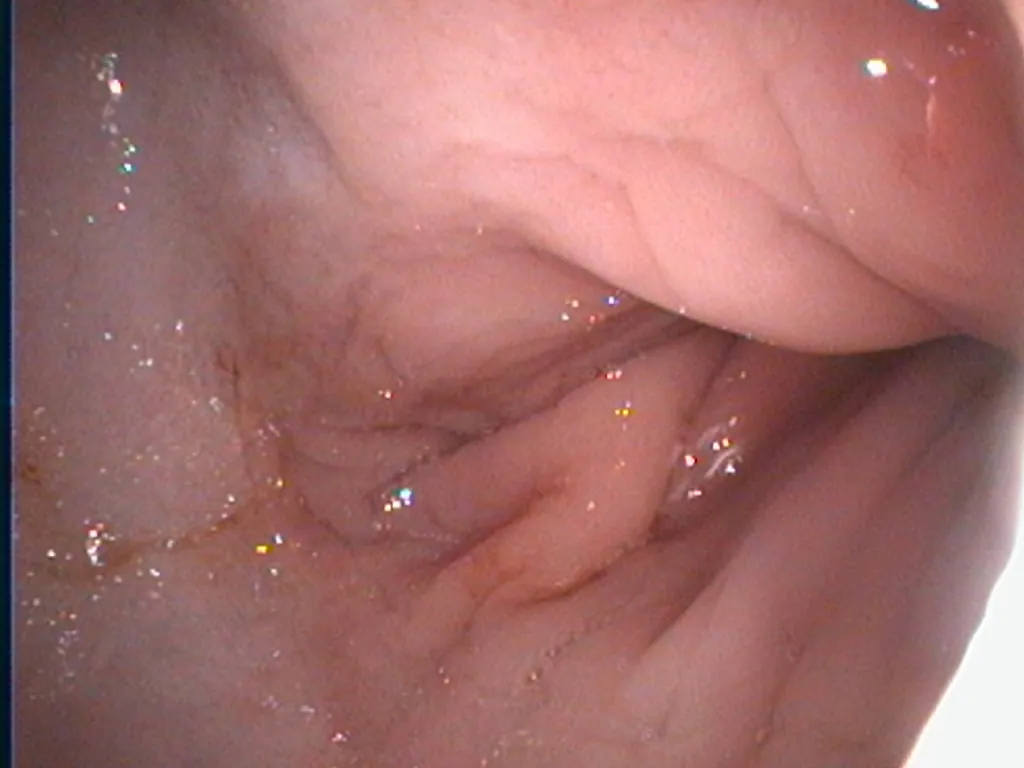
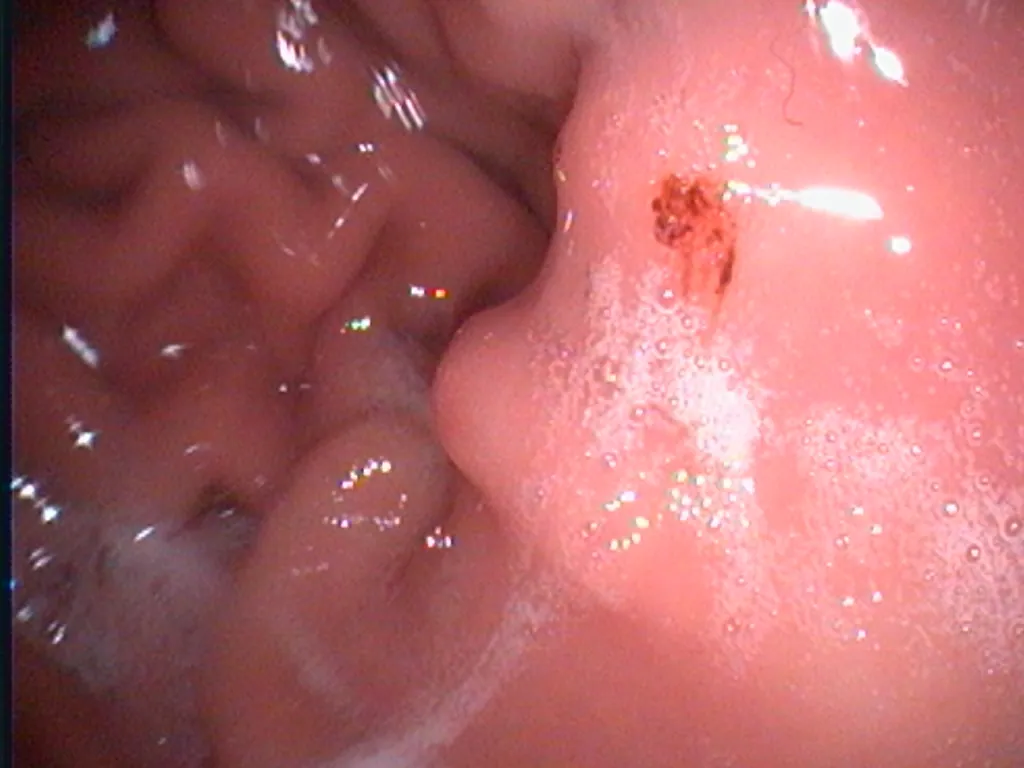
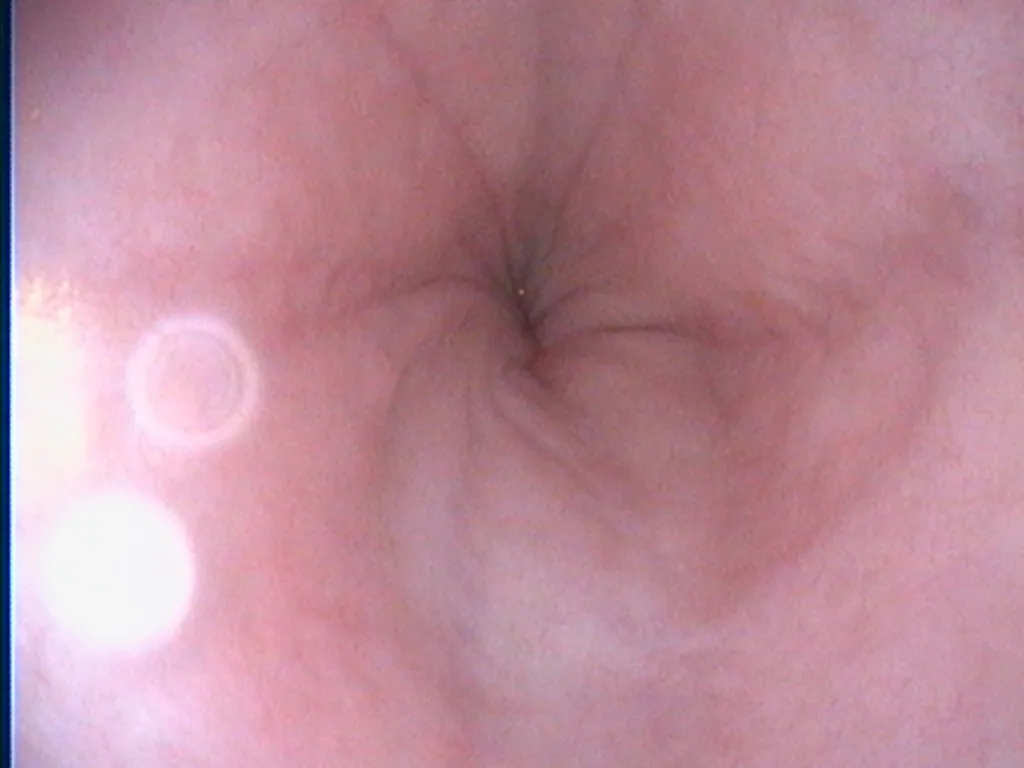
Clinical anatomy and procedure imagery
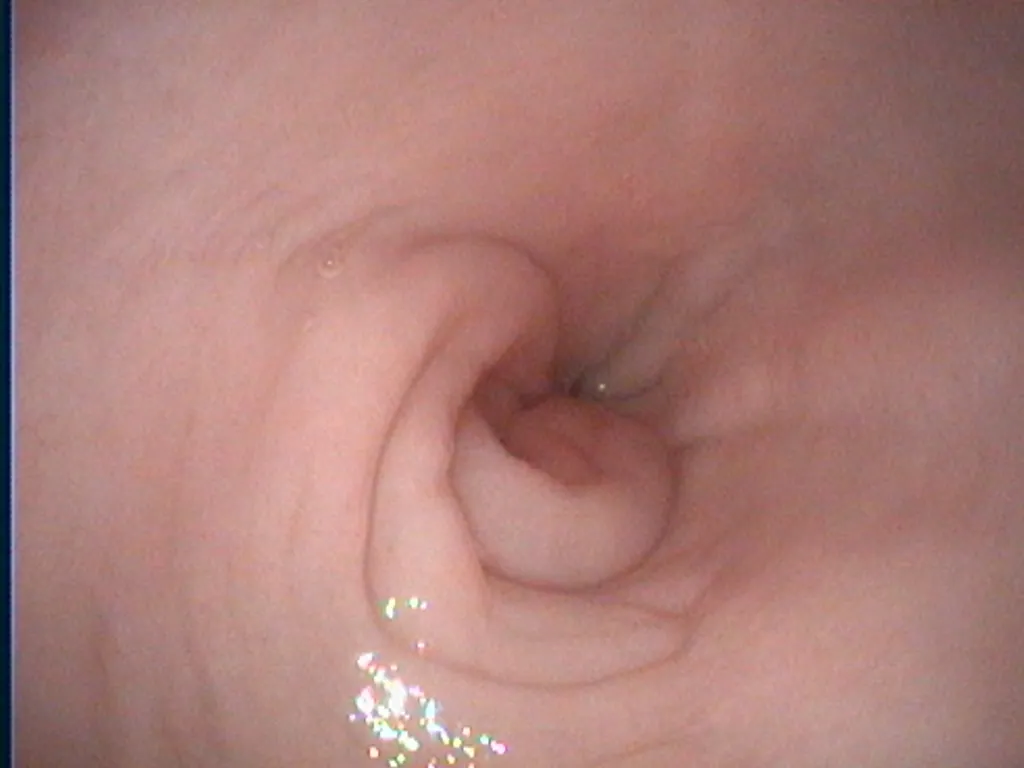
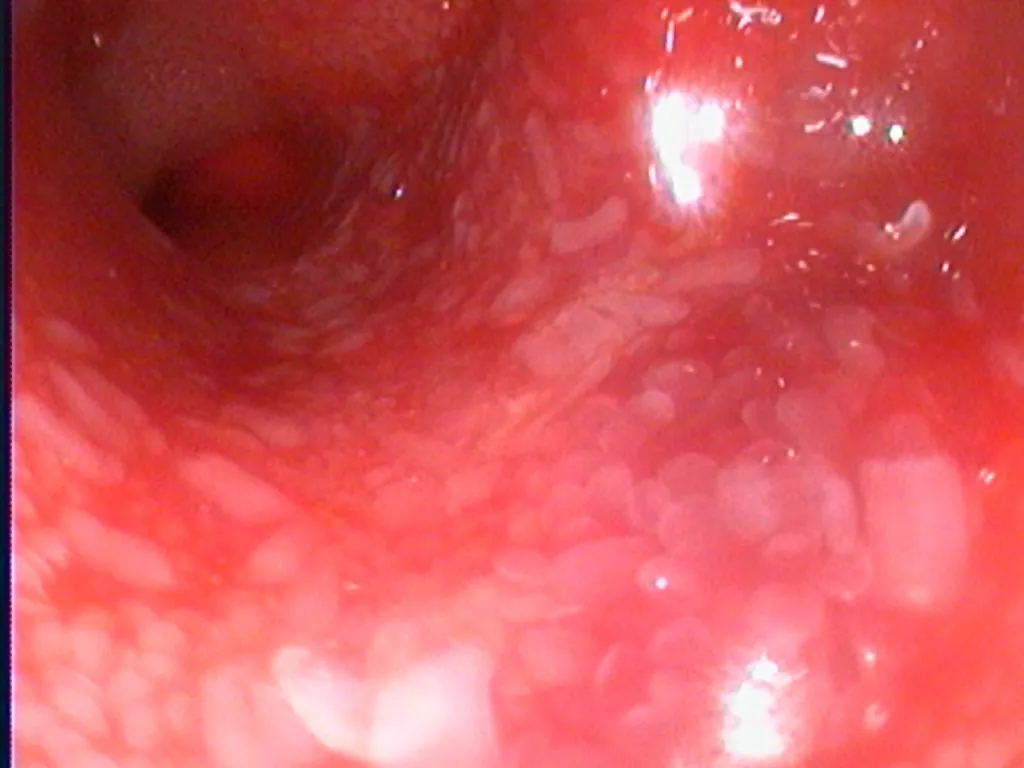
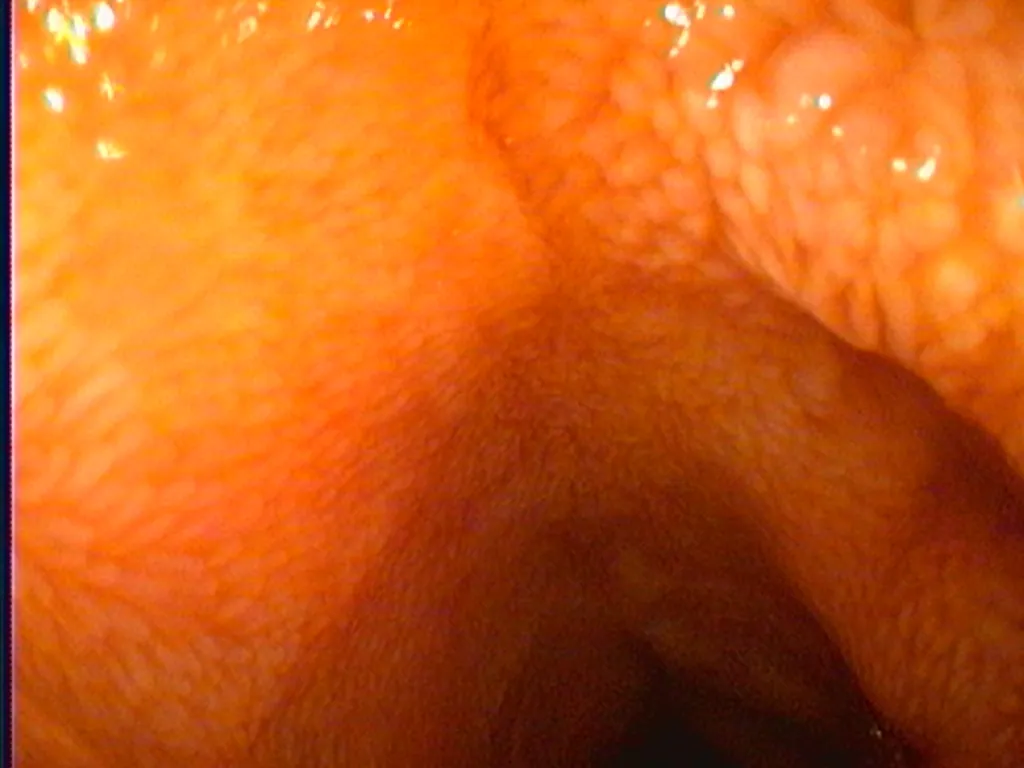
Surgical and endoscopic views of anatomy and procedure context. Findings vary by patient.
6 clinical views
View the clinical imagery6 views · internal anatomy
Santa Monica · Greater Los Angeles
Advanced care from a local clinical team
Los Angeles Laparoscopy Vet at Sevilla Veterinary Hospital is located at 2116 Main Street in Santa Monica. The clinic serves companion animals from Santa Monica, Los Angeles, West Los Angeles, Venice, Brentwood, Culver City, Beverly Hills, Pacific Palisades, Marina del Rey.
Los Angeles Laparoscopy Vet at Sevilla Veterinary Hospital
2116 Main Street
Santa Monica, CA 90405
Next step
Ready to discuss your companion's care?
Speak with our team about the available approaches and whether a minimally invasive procedure may be appropriate after individual evaluation.