Laparoscopy
Veterinary Laparoscopy in Los Angeles
Camera-assisted abdominal surgery for selected spays, gastropexies and biopsies. Diagnosis, anatomy and anesthetic assessment determine whether this approach fits your companion.

Procedure overview
Laparoscopy is a camera-assisted surgical technique used to examine and operate within the abdomen through small access points. A rigid laparoscope transmits a magnified view to a monitor while specialized instruments are introduced through separate ports.
Laparoscopic procedures available
- Ovariectomy: A laparoscopic approach to spay surgery in selected patients.
- Gastropexy: Fixation of the stomach to the abdominal wall, including cases where it is planned alongside another procedure.
- Cryptorchid neuter: Camera-assisted localization and removal of an abdominal undescended testicle.
- Organ biopsy and abdominal exploration: Direct visualization for selected liver, kidney, pancreas or intestinal sampling.
- Laparoscope-assisted cystotomy: An assisted approach to selected bladder procedures.
- Other abdominal procedures: Cholecystectomy, adrenalectomy and other advanced approaches may be considered after individual review.
What camera-assisted access changes
The laparoscope provides a magnified view of abdominal structures while the operative instruments work through separate access points. For selected procedures, this can limit the amount of access needed to reach the surgical target. It does not remove anesthetic or surgical risk, and it does not make every abdominal procedure a laparoscopic case.
Planning and anesthesia
Laparoscopic surgery is performed under general anesthesia. Preparation, monitoring, pain management, discharge timing and activity restrictions depend on the procedure and the individual patient. A planned laparoscopic procedure may need to be converted to an open approach if that becomes the safer or more appropriate way to complete the surgery.
Dr. Pedraza reviews examination findings, diagnostic imaging and medical records before recommending an approach at the Santa Monica clinic.
Questions to resolve at consultation
- Which laparoscopic or open approach is being considered, and what is its objective?
- Could another planned procedure, such as a gastropexy, be discussed during the same review?
- What findings could require conversion to an open approach?
- Which records, imaging, medication details and preparation instructions apply to this patient?
- Approach
- Camera-assisted abdominal access
- Clinical use
- Selected abdominal procedures
- Anesthesia
- General anesthesia
- Planning
- Individual case review
Procedure recommendations depend on physical exam findings, diagnostics, anatomy, condition severity and anesthetic safety. Dr. Antonio Pedraza reviews each case individually.
Clinical background and sources
These resources explain the general techniques and care considerations. Your veterinary team determines how they apply to your companion and the proposed procedure.
American College of Veterinary Surgeons
OvariohysterectomyOvariectomy and ovariohysterectomy, including open and laparoscopic approaches and general aftercare.
American College of Veterinary Surgeons
Gastric Dilatation-VolvulusStomach dilatation and rotation, gastropexy and its limits. Emergency GDV care differs from preventive surgery.
American Animal Hospital Association
2020 AAHA Anesthesia and Monitoring Guidelines for Dogs and CatsIndividual pre-anesthetic assessment, monitoring and the transition into recovery.
Specific laparoscopy procedures
Laparoscopic Spay (Keyhole Spay) in Los Angeles
Book a laparoscopic (keyhole) spay for your dog in Los Angeles with Dr. Pedraza. A minimally invasive approach with recovery and discharge planning based on the individual patient.
Laparoscopic spay vs traditional spay for dogs in Los Angeles
Compare laparoscopic (keyhole) spay with traditional spay for dogs and cats in Santa Monica and Los Angeles, including incision, recovery and discharge considerations. Book a consultation.
Laparoscopic gastropexy in Los Angeles: reducing GDV risk
Laparoscopic gastropexy for selected large and deep-chested dogs in Santa Monica. Discuss reducing the risk of stomach twisting (GDV) with Dr. Pedraza.
Clinical imagery
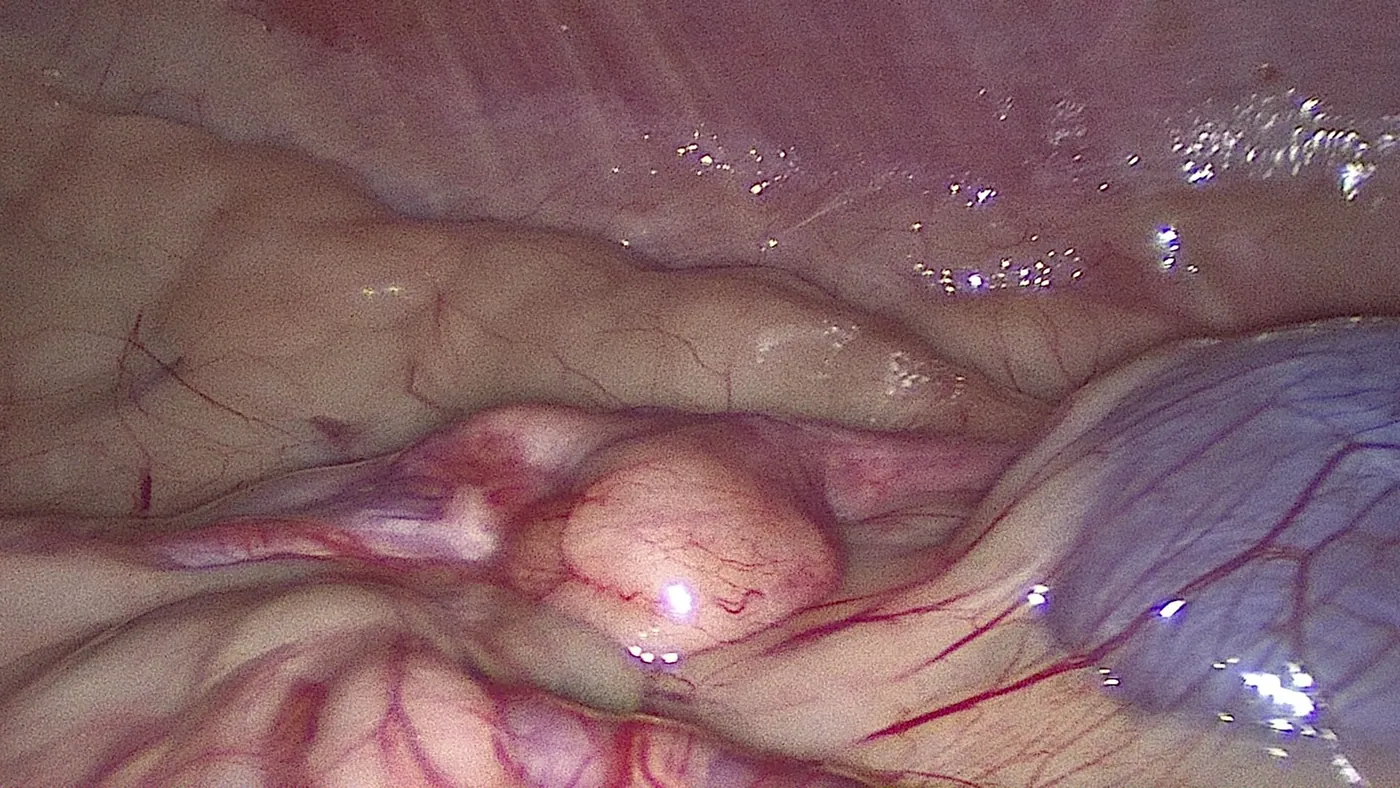
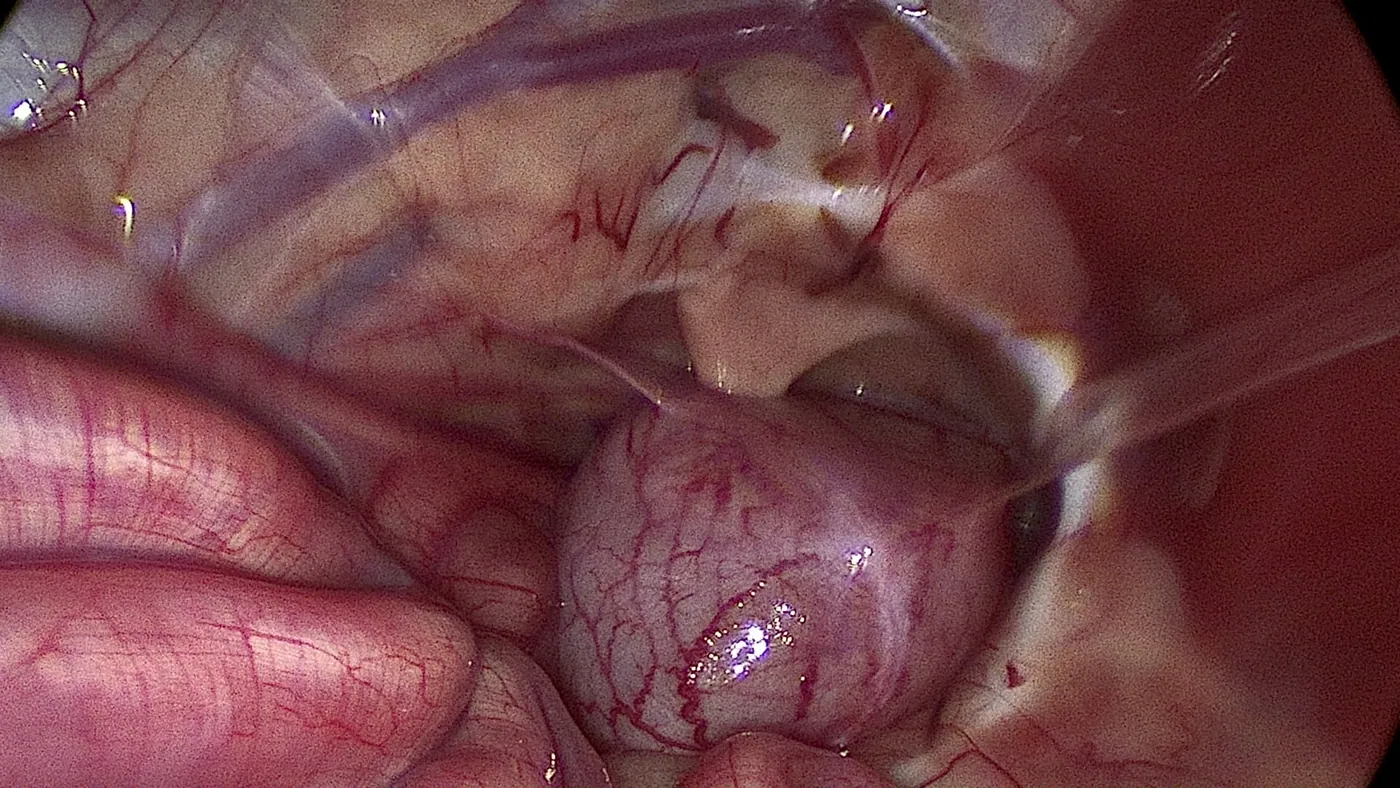
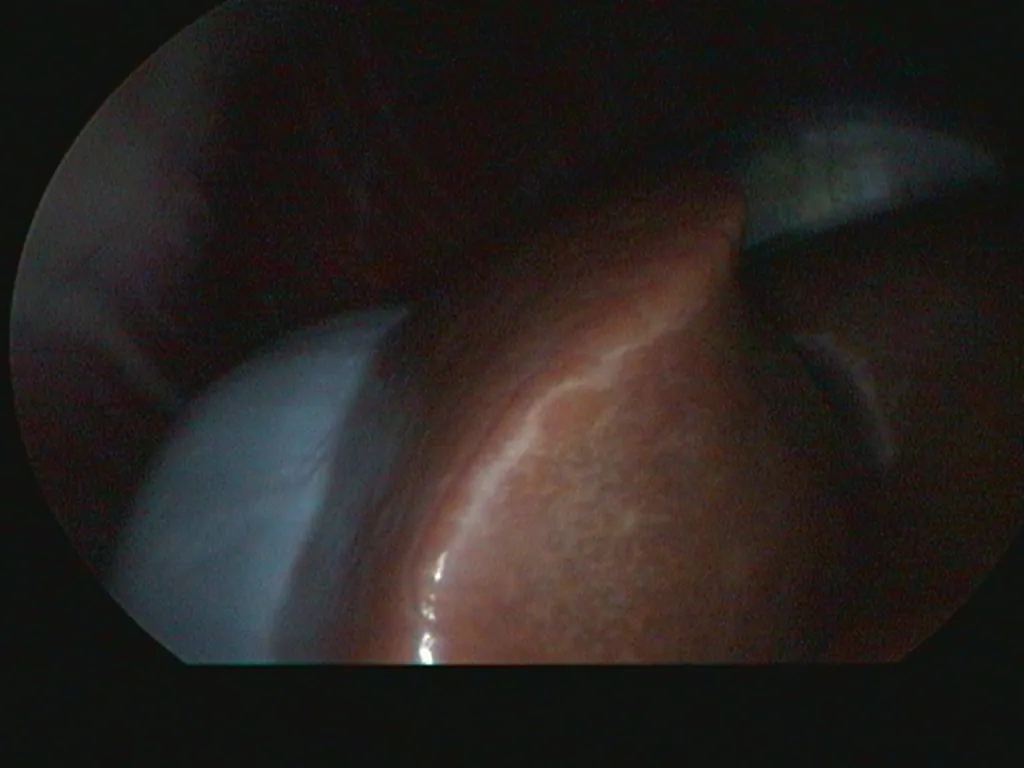
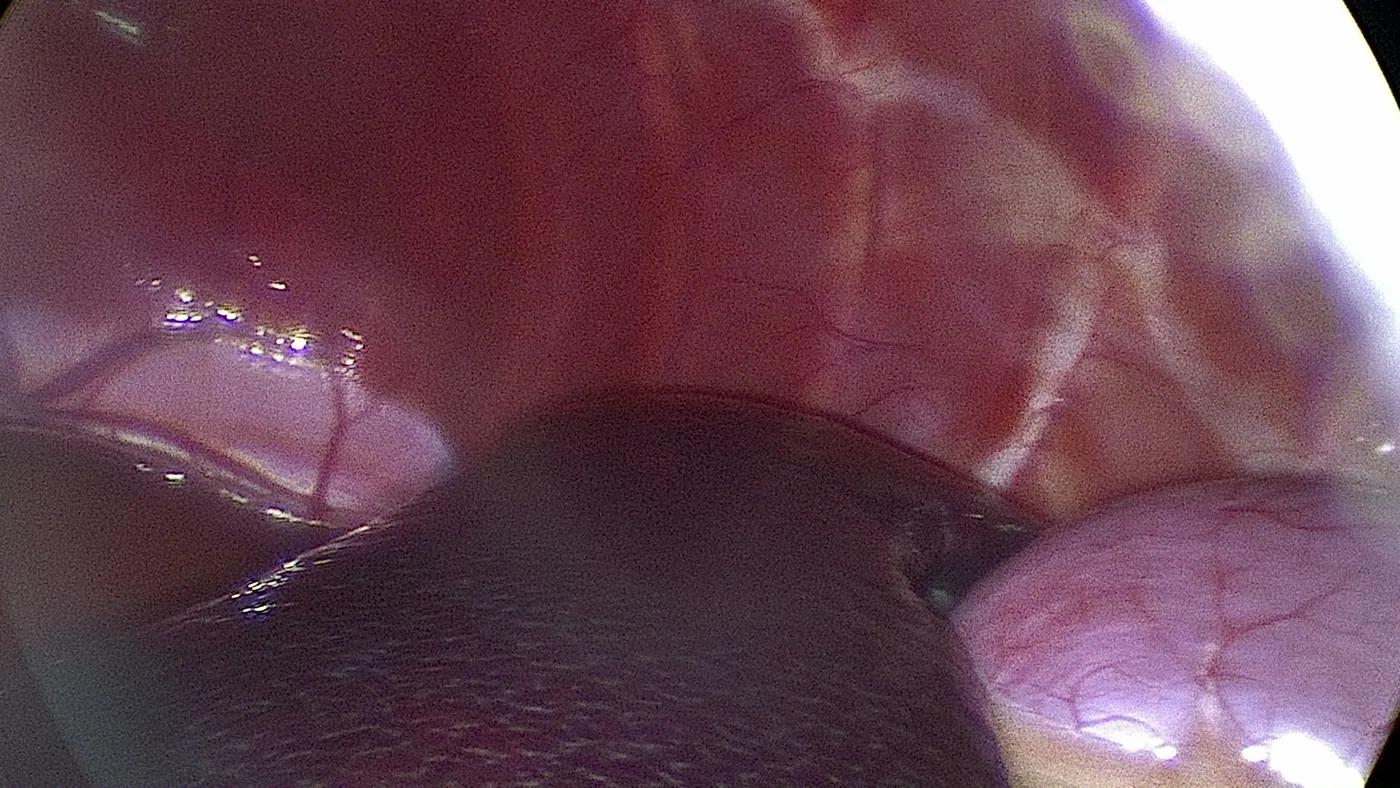
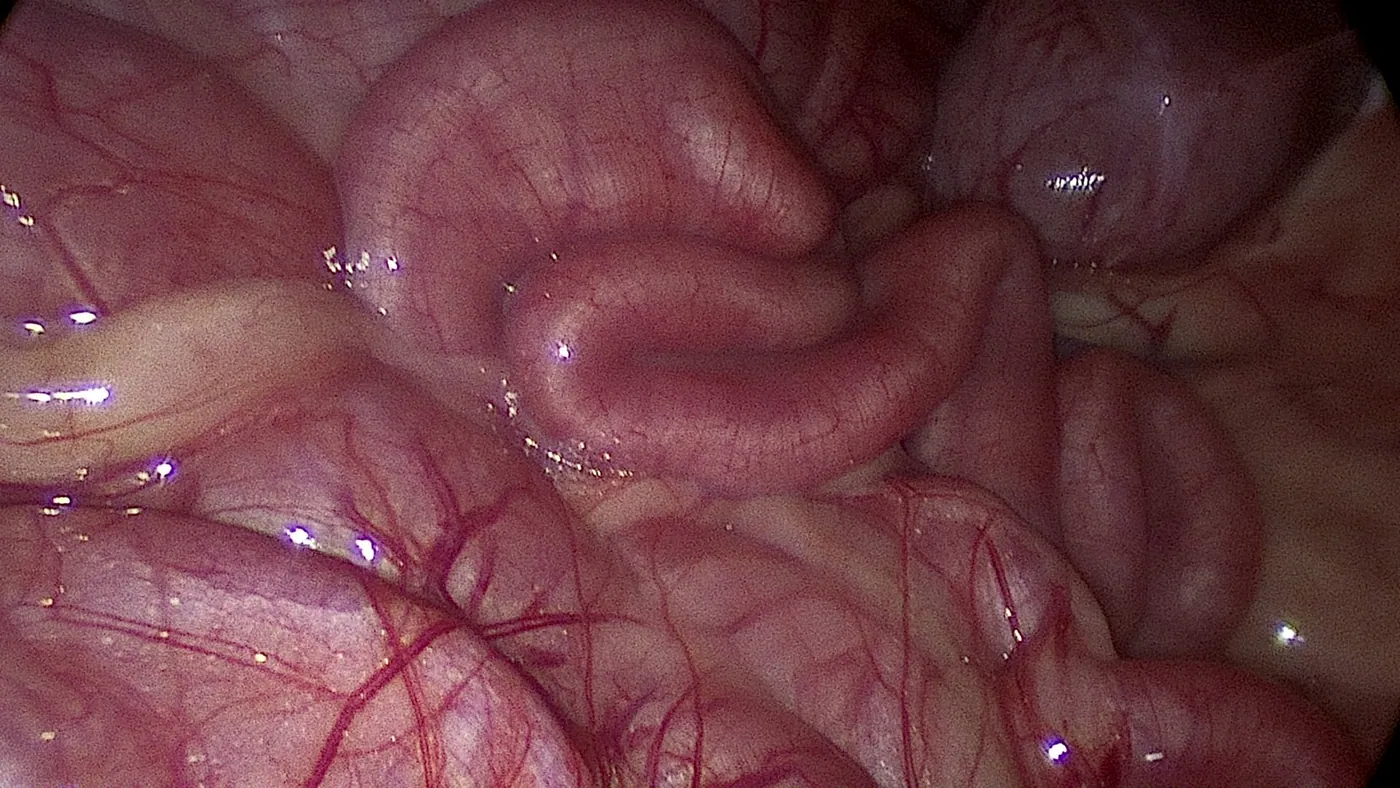
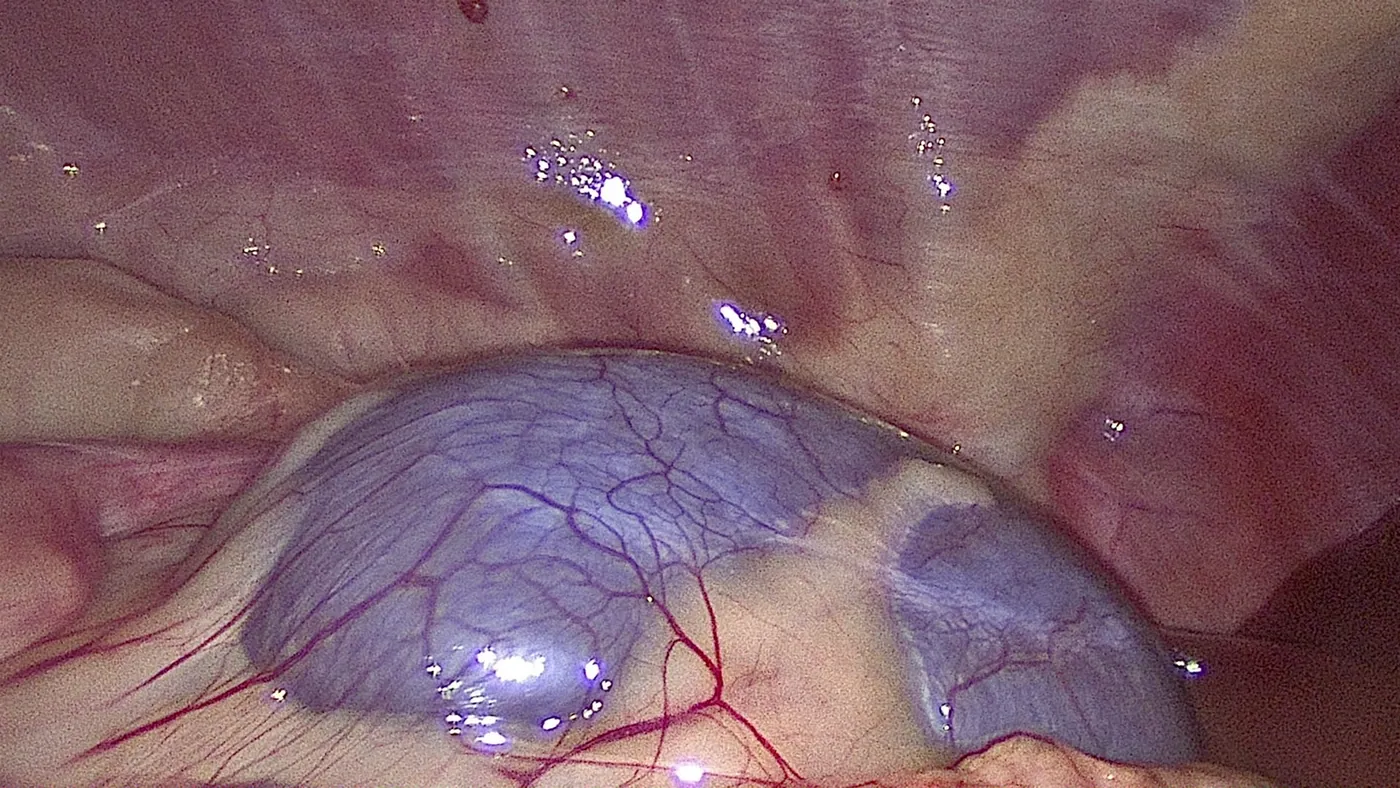
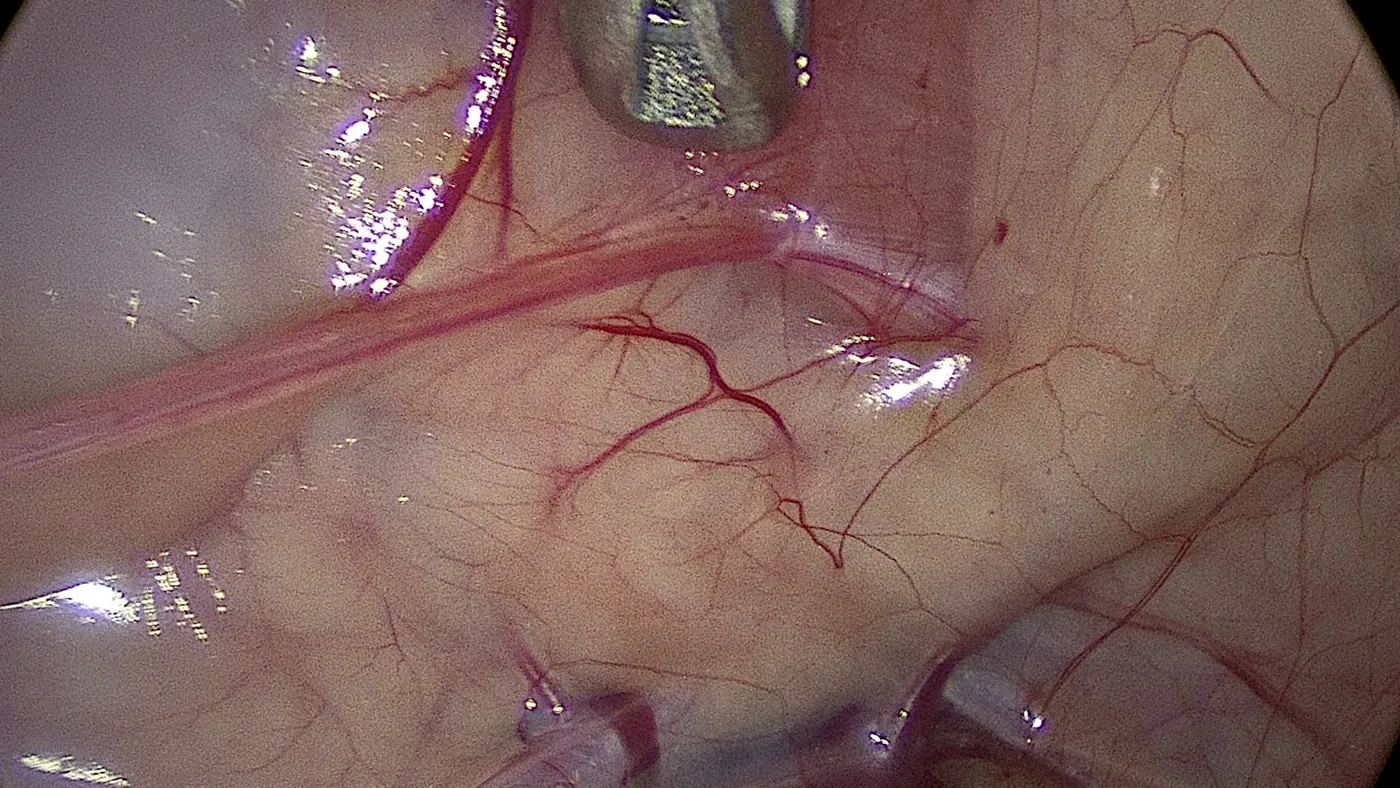
Clinical anatomy and procedure imagery
Surgical and endoscopic views of anatomy and procedure context. Findings vary by patient.
8 clinical views + surgical footage
View the clinical imagery8 views · internal anatomy
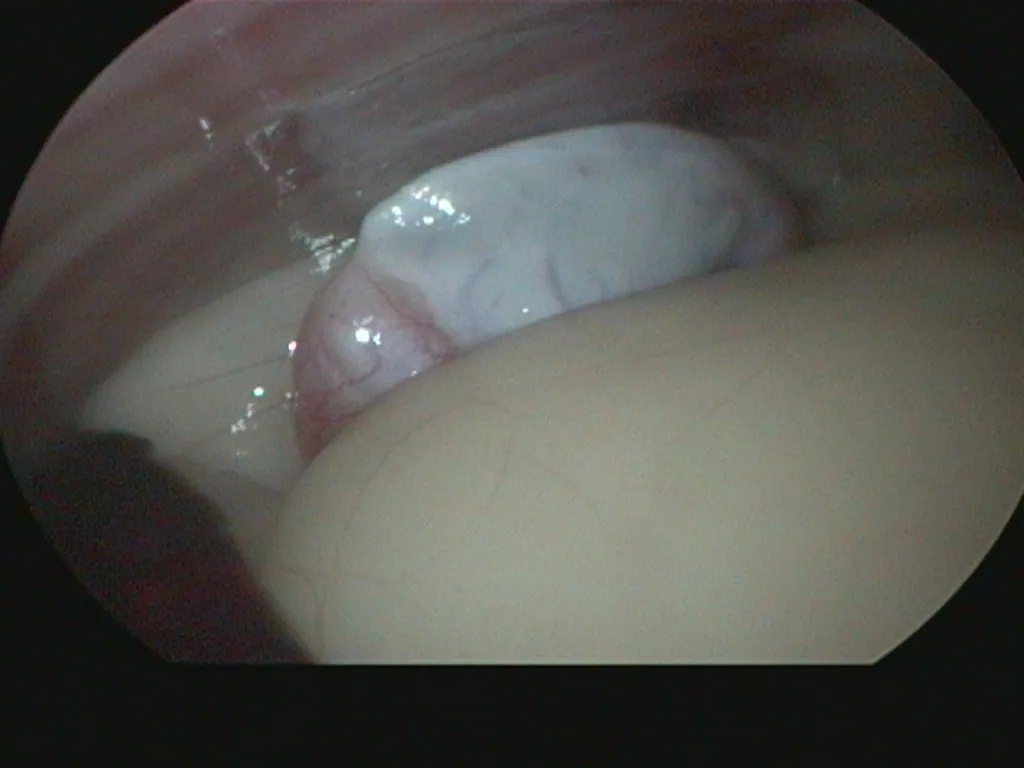
View clinical footage Silent video · internal anatomy
Laparoscopic cryptorchid neuter with Sertoli tumor — surgical footage.
Visual description: Silent internal camera footage. Pale abdominal tissue and small blood vessels fill the magnified view. A dark surgical instrument enters the frame and moves against the tissue as the camera changes angle. This short excerpt does not show the complete operation.
Santa Monica · Greater Los Angeles
Advanced care from a local clinical team
Los Angeles Laparoscopy Vet at Sevilla Veterinary Hospital is located at 2116 Main Street in Santa Monica. The clinic serves companion animals from Santa Monica, Los Angeles, West Los Angeles, Venice, Brentwood, Culver City, Beverly Hills, Pacific Palisades, Marina del Rey.
Los Angeles Laparoscopy Vet at Sevilla Veterinary Hospital
2116 Main Street
Santa Monica, CA 90405
Next step
Ready to discuss your companion's care?
Speak with our team about the available approaches and whether a minimally invasive procedure may be appropriate after individual evaluation.