
- Published
- Updated
What is a laparoscopic spay?
A laparoscopic spay — also called a keyhole spay or lap spay — is a minimally invasive ovariectomy performed through one or two incisions of roughly 3 to 5 millimeters. A rigid HD camera and fine instruments are inserted through small ports, letting Dr. Antonio Pedraza visualize the ovaries in magnified detail and seal vessels under direct vision instead of working through a long midline opening.
For families in Los Angeles who want the least invasive option for their dog, keyhole spay surgery is one option at clinics equipped for minimally invasive procedures.
View clinical image: laparoscopic anatomy
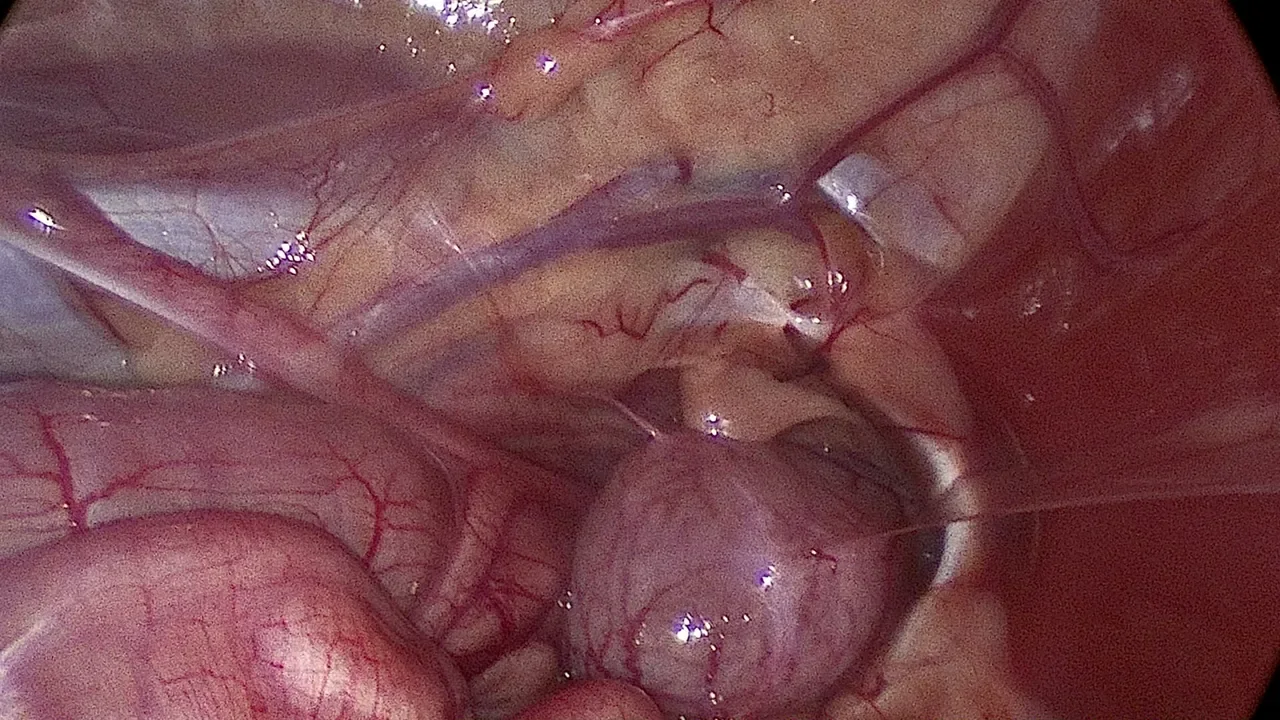
Laparoscopic spay vs traditional spay
Both approaches remove reproductive function and prevent unwanted litters. The difference is in how the surgery is done — and how your dog feels afterward.
Scroll horizontally to read all columns.
| Aspect | Laparoscopic spay | Traditional spay |
|---|---|---|
| Incision | 1–2 keyhole incisions (3–5 mm) | 3–6 cm midline incision |
| Visualization | HD laparoscopic camera, direct view | Direct view through the abdominal incision |
| Pain management | Multimodal; needs vary by patient | Multimodal; an open incision must heal |
| Return to activity | Restriction period set for the patient and procedure | Restriction period set for the patient and procedure |
| Access points | Small port incisions | Single midline incision |
| Combined gastropexy | May be considered during the same anesthetic event | May be considered during the same anesthetic event |
Why families in Los Angeles choose keyhole spay
Los Angeles dogs live active lives — beach mornings in Santa Monica, hikes in Topanga, weekends in Malibu. When recovery is shorter, confinement and disruption to daily routines may also be reduced. Smaller incisions also mean lower infection risk in warm, sandy environments and easier post-op management for busy Westside families.
Beyond comfort, the magnified laparoscopic view makes it easier to handle anatomical variations — something especially useful in deep-chested and large breeds common in LA neighborhoods.
The procedure, step by step
- 1
Preoperative workup
Physical exam, bloodwork and anesthetic planning tailored to breed, age and comorbidities.
- 2
Anesthesia and monitoring
Modern multimodal anesthesia with continuous monitoring of ECG, blood pressure, capnography, SpO₂ and temperature.
- 3
Tiny incisions
1–2 ports of 3–5 mm in the midline. The abdomen is gently insufflated to create working space.
- 4
HD visualization
A rigid laparoscope projects a magnified view of the ovaries on a surgical monitor.
- 5
Sealing and removal
Vessels are sealed with a vessel-sealing device and the ovaries removed with minimal trauma.
- 6
Closure and recovery
Ports are closed in layers. Recovery in a quiet, warmed suite with attentive nursing.

A laparoscopic camera provides a magnified view of abdominal structures. The approach and examination depend on the individual patient and procedure.
View clinical video: laparoscopic abdominal exploration
Silent laparoscopic footage. A circular camera view moves across internal tissue surfaces, changing angle and distance during the examination.
Recovery after laparoscopic spay
- After surgery
The team monitors recovery from anesthesia and assesses when your dog can go home.
- At home
Follow the individual instructions for food, water, medication and supervised bathroom breaks.
- During healing
Keep activity within the prescribed limits, protect the incisions and contact the clinic about concerning changes.
- Follow-up
Confirm when and how the incision and recovery should be checked. A small incision still needs time to heal.
- Returning to activity
Resume running, jumping or off-leash play only when the clinical team advises that it is appropriate for your dog.
Every recovery is individual, so follow the discharge instructions closely and contact the clinic with any concerns. If you would like to review what recovery might look like for your dog, you can book a minimally invasive surgery consultation in Los Angeles.
Cost and what's included in Los Angeles
Pricing for a laparoscopic spay in Los Angeles depends on body weight, anatomical complexity and whether it is combined with a procedure like gastropexy. Ask the team to explain which items the estimate covers, including preoperative assessment or testing, anesthesia, surgery, pain medication, recovery care and any recheck. Confirm which services or additional treatments may be billed separately. We share itemized estimates at consultation so insurance submissions are straightforward.
Anesthesia
Modern, fully monitored
Recovery
Quiet, warmed suite
Discharge
After individual recovery assessment
Is your dog a candidate?
Many healthy dogs may be candidates for a laparoscopic spay, but candidacy is always individual. Dr. Antonio Pedraza reviews the physical exam, records, diagnostics, anatomy and anesthetic safety — along with breed, body condition, orthopedic considerations and any prior abdominal surgery — to recommend an appropriate approach for your dog. To find out whether keyhole spay suits your dog, you can book a laparoscopic spay consultation in Los Angeles and our team will advise based on an individual evaluation.
- Healthy young to middle-aged dogs around skeletal maturity
- Large or deep-chested breeds, especially when combined with prophylactic gastropexy
- Families who want a less invasive option, when it is appropriate for their dog
View clinical image: ovary detail
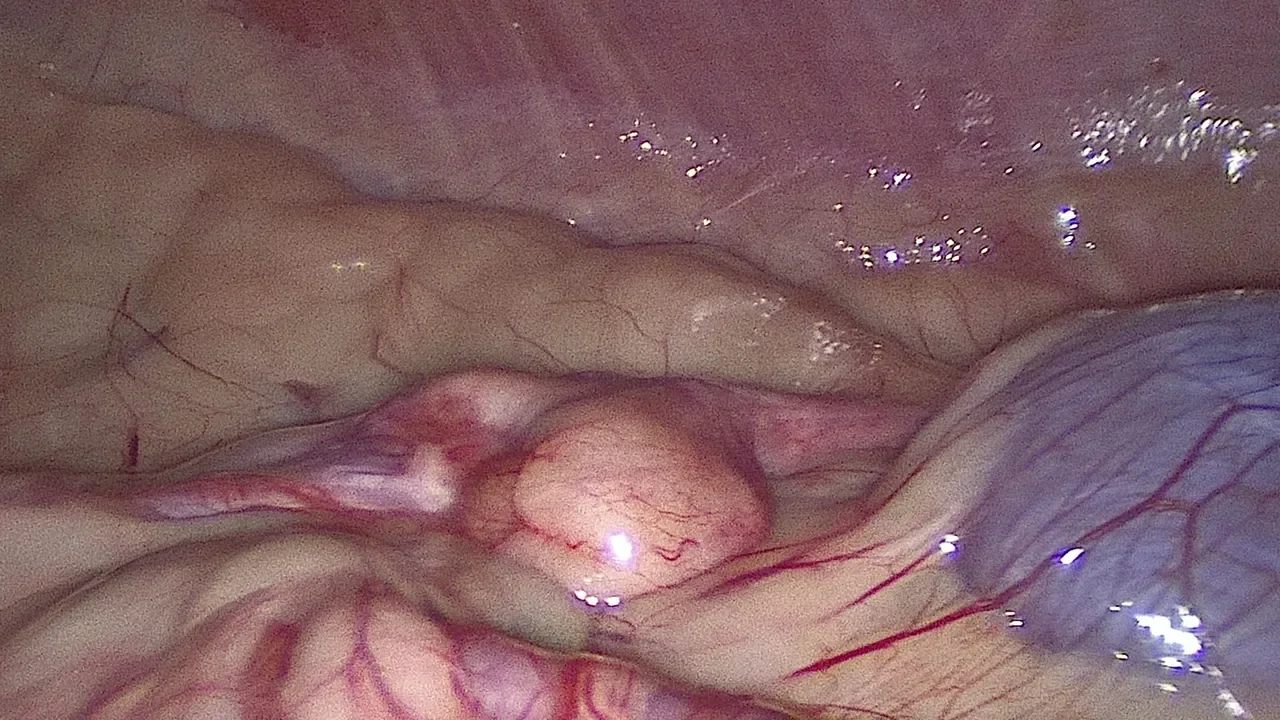
Plan the next steps with our preparation checklist and recovery guide. For the service and candidacy discussion, see laparoscopic spay at the clinic.
Frequently asked questions
Continue your reading
Sources & further reading
For more detail on the topics in this guide, explore these professional resources.
American College of Veterinary Surgeons
Ovariohysterectomy (opens in a new tab)Ovariectomy and ovariohysterectomy, including open and laparoscopic approaches and general aftercare.
American Animal Hospital Association
2020 AAHA Anesthesia and Monitoring Guidelines for Dogs and Cats (opens in a new tab)Individual pre-anesthetic assessment, monitoring and the transition into recovery.
This guide provides general educational information and does not replace an individual veterinary examination or case-specific advice.